Learn about flint knapping and how prehistoric people started fires at La Roque Saint-Christophe
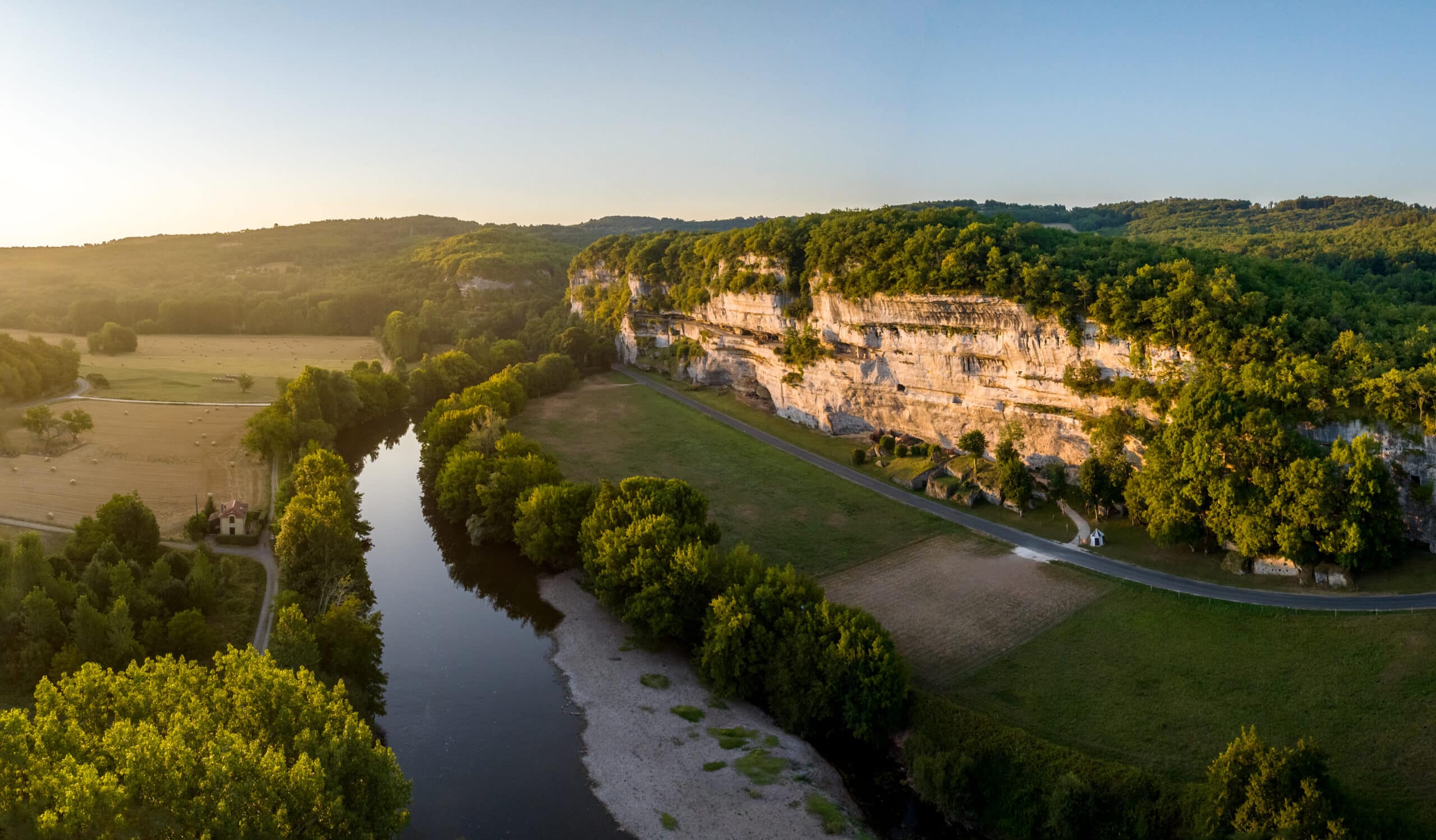
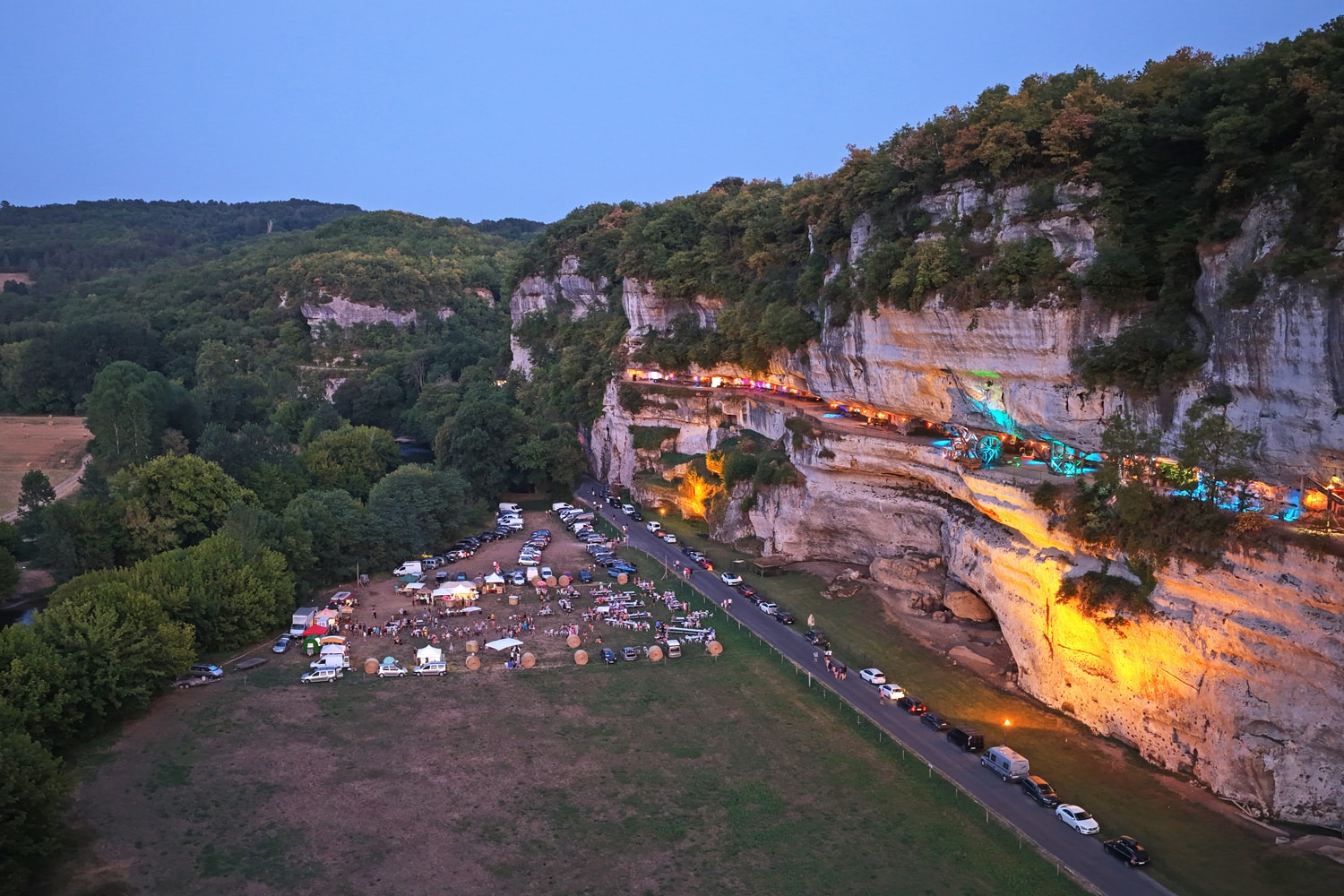
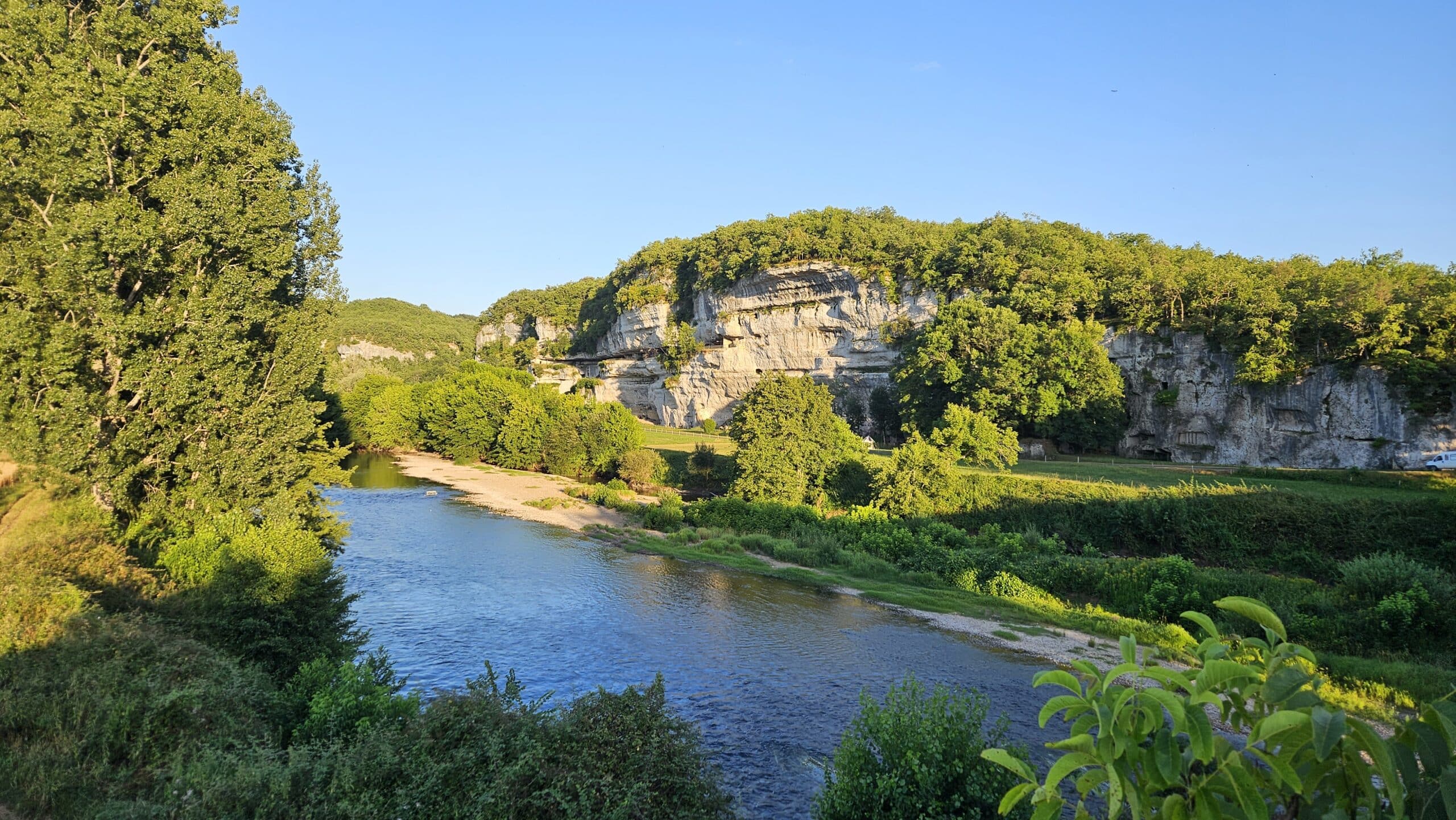
Travel back in time and discover the ancient techniques of our distant ancestors during the “Flint Knapping and Fire-Making” hands-on workshop at La Roque Saint-Christophe in the Dordogne. A fascinating experience that plunges you into the heart of prehistory, set in an exceptional troglodytic setting.
Book your ticket to visit La Roque Saint-ChristopheThe Art of Flint Knapping: A Prehistoric Craft in the Périgord
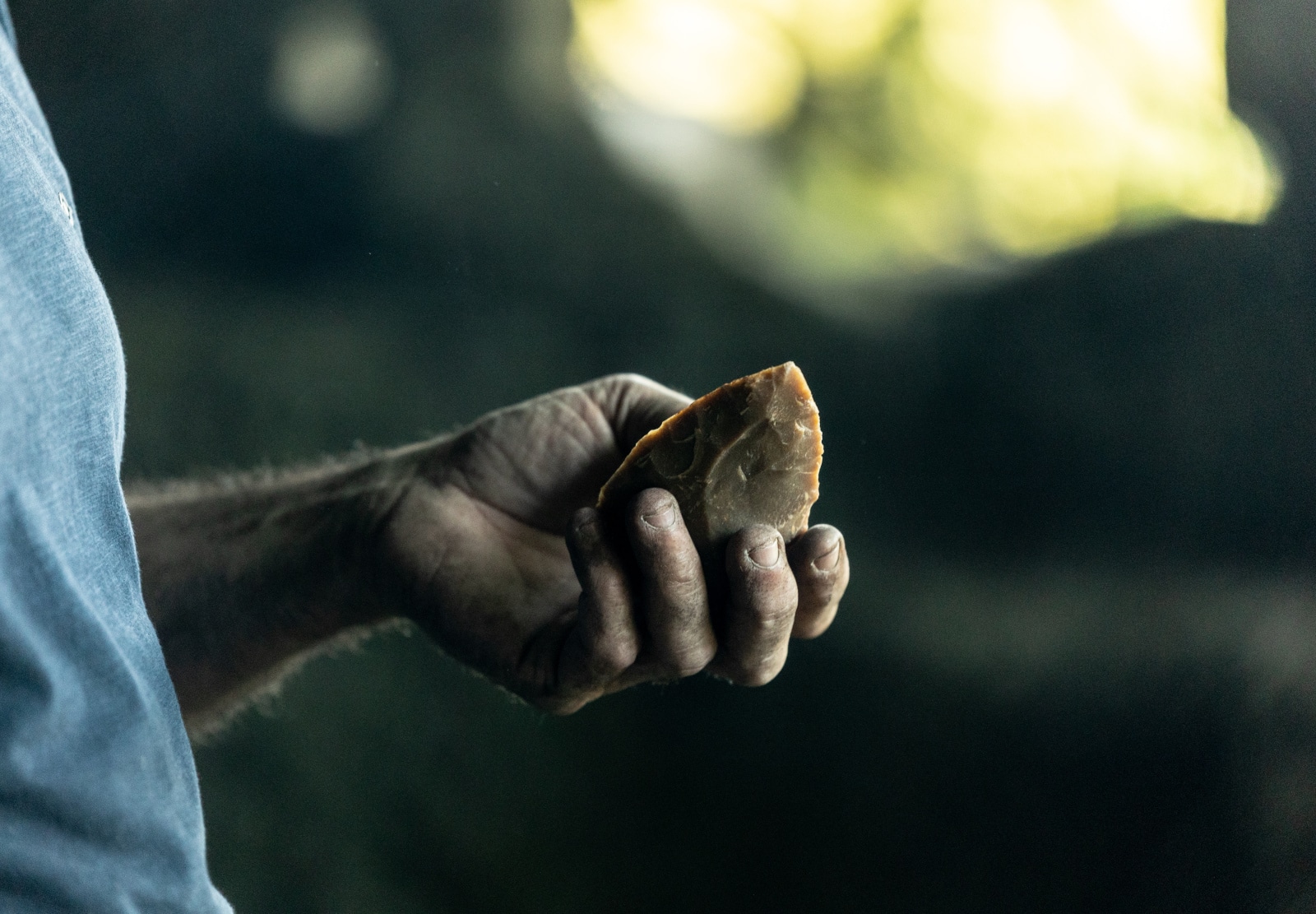
How do you shape a flint? How can you tell if a flint you’re holding in your hand has been shaped? These are ancient tools used for cutting, but they are also fashioned into accessories for spears, for example, or for axes, harpoons, and more. Flaked flint is a treasure… During these prehistoric demonstrations, archaeology also helps us distinguish between the various flaking techniques. Flakes, cores, strikers, laurel leaves, direct or indirect flaking… this is the Neolithic period (“lithic” meaning polished stone, hence “new polished stone ”).
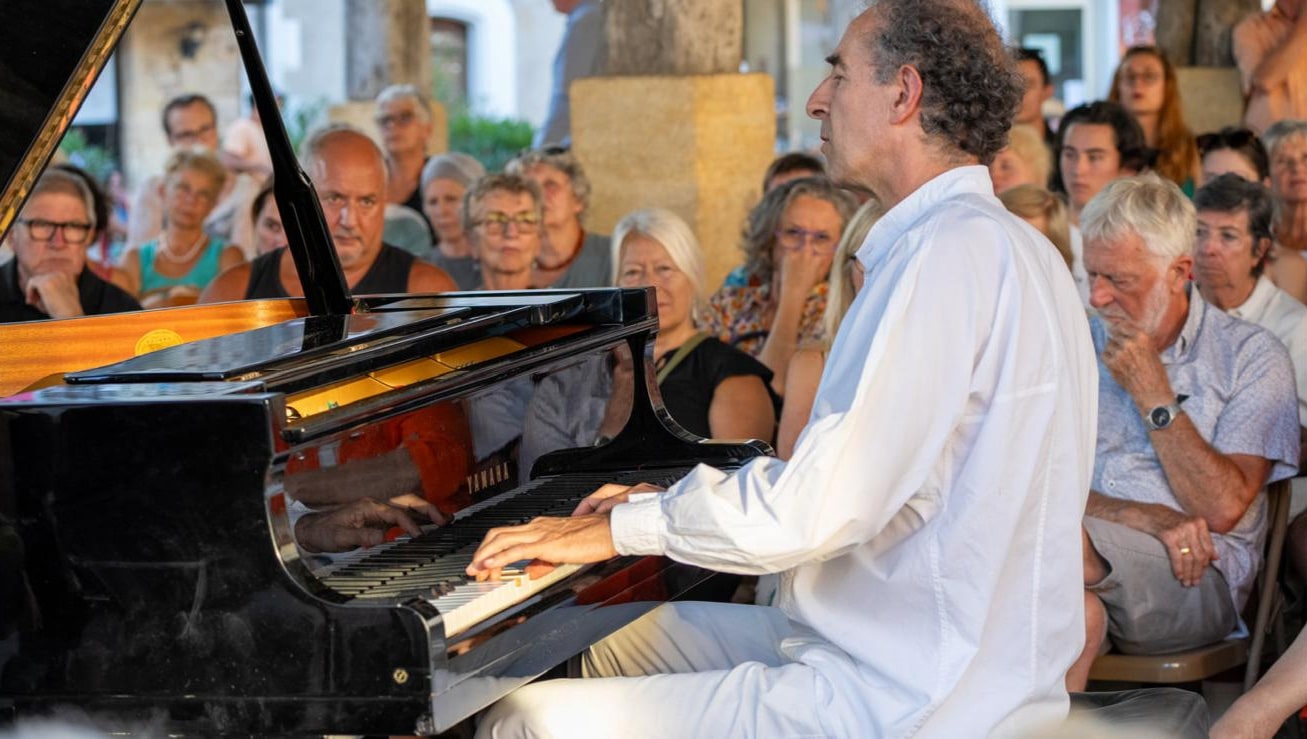
- You can also take part in a workshop to discover prehistoric music with the “Musique des Origines” workshop
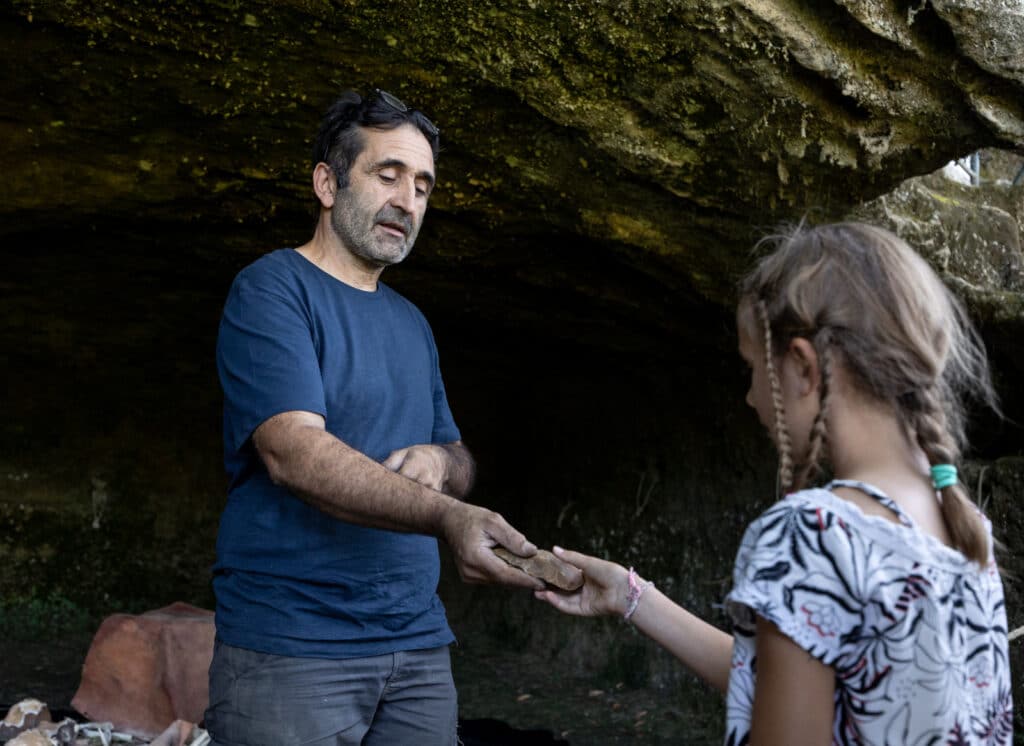
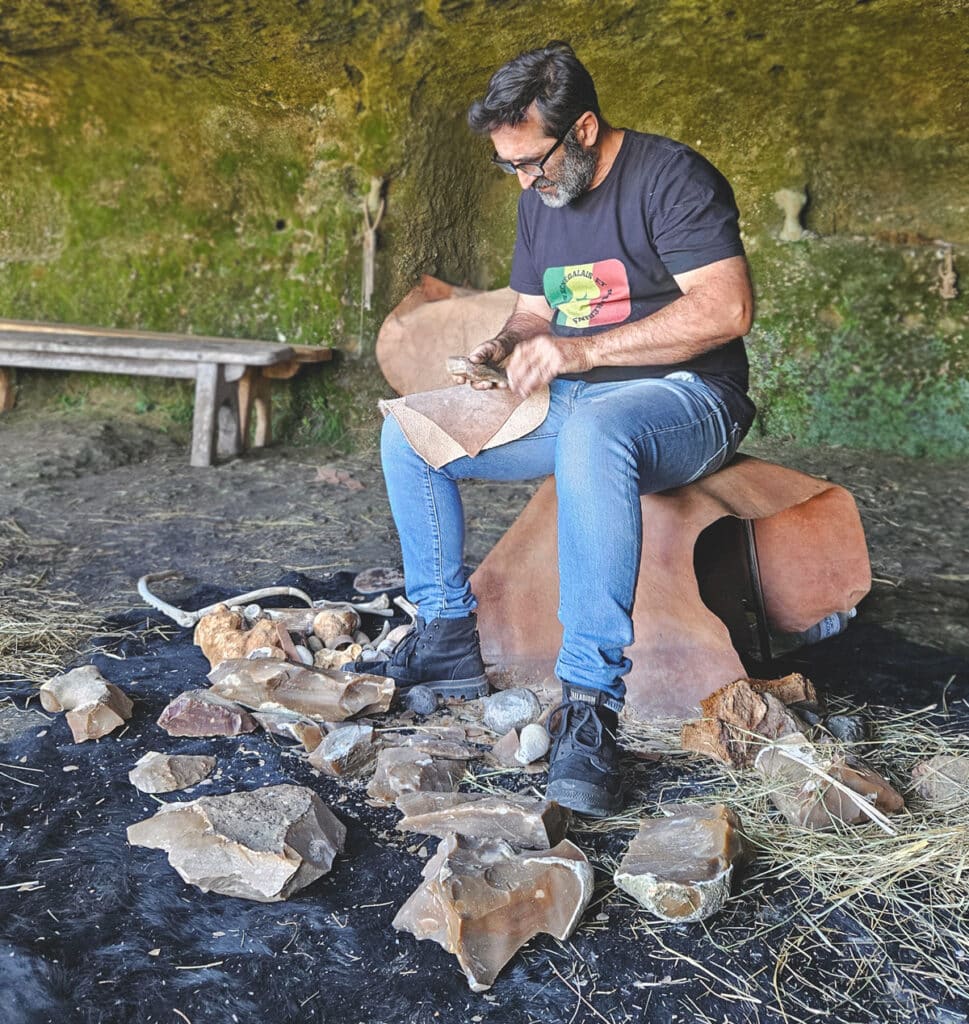
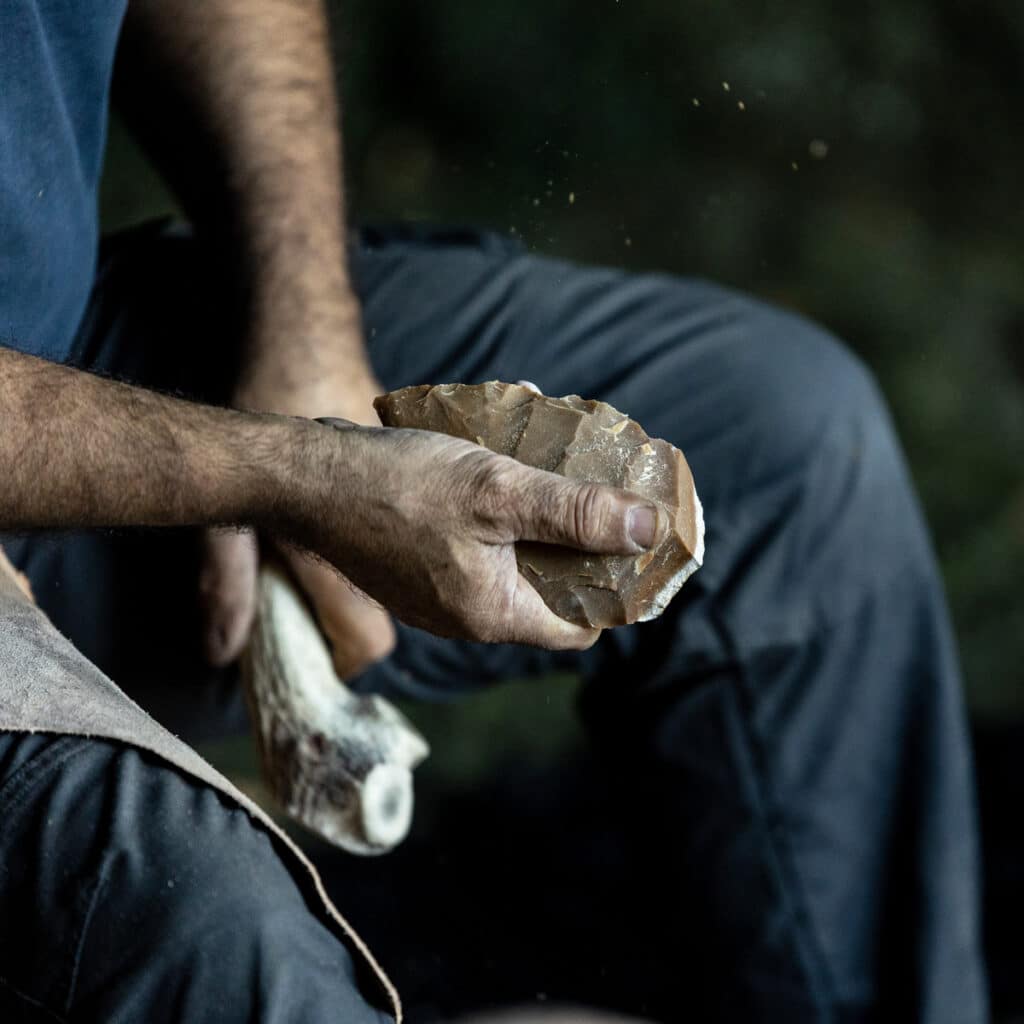
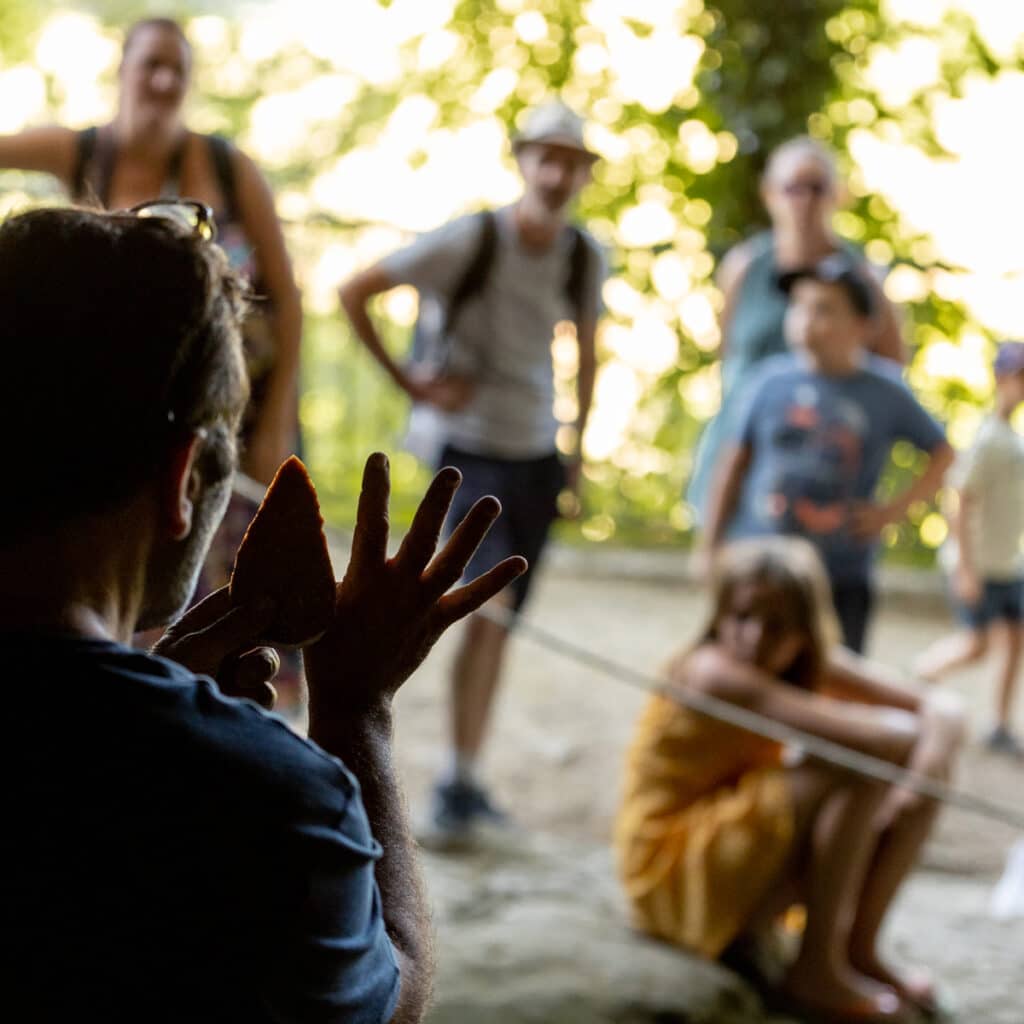
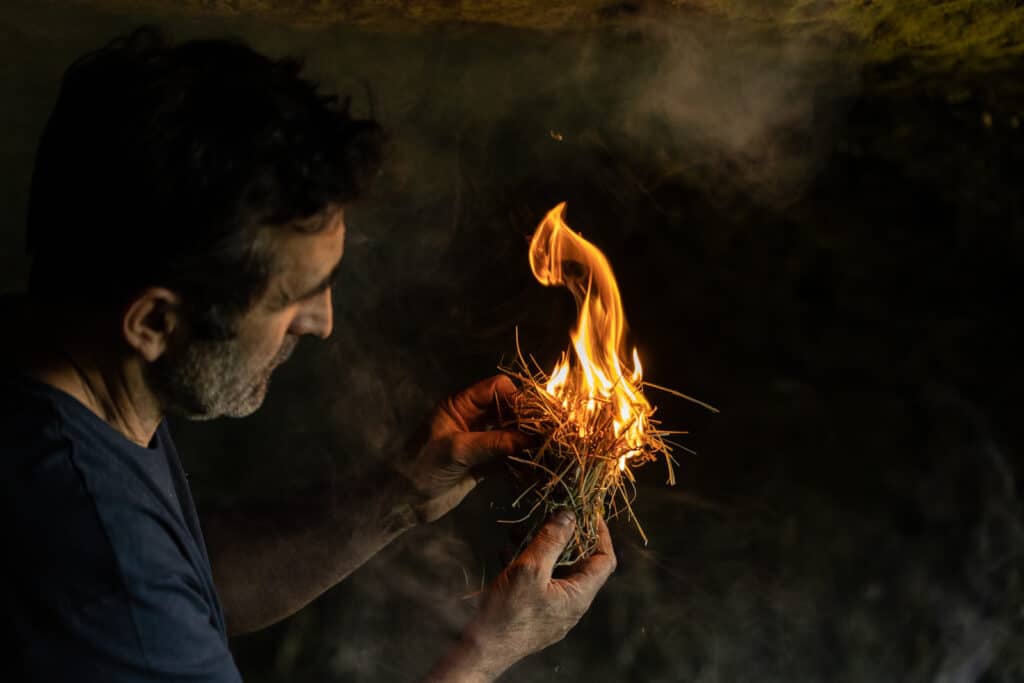
Learn how to start a fire like prehistoric people
There were no lighters or matches back then. So how did they start fires? There are two techniques, one of which is used more often than the other, according to archaeological research. We’ve all tried rubbing two pieces of wood together to generate heat through friction (when they spin and rub against each other) in a groove that ignites dry material. A time-consuming, unreliable, and difficult technique… Research has shown that striking two pieces of flint together does not produce a spark of sufficient quality (it’s said to be “cold”) to start a fire. It was therefore necessary to strike a piece of mineral (marcasite or pyrite) against a flint, near a piece of tinder (a fungus found on hornbeams and birches) that naturally contains a substance that ignites quickly. The slow combustion then allowed the emerging flame to be transferred to dry grass or straw to start a fire.
📅 Practical Information
- Duration: about 45 minutes
- Minimum age: There is no age requirement because no handling is involved
- Included in the tour: yes, no additional charge
- Location: La Roque Saint-Christophe, Peyzac-le-Moustier (Dordogne)
- When is it? Mondays, Tuesdays, and Wednesdays during summer school break. Along the tour route, from 2:00 p.m. to 6:00 p.m.
Exception: On July 21 and August 11, Pascal will stand in for Nicolas with a “Music of the Origins” workshop. Nicolas will stand in for Pascal on Thursday, July 23, and Thursday, August 13.